In brief:
- 🌴 Northern Haiti remains a region with exceptional tourist riches, especially around Cap-Haïtien.
- ⚠️ The security crisis in Port-au-Prince, with the rise of armed gangs, negatively affects the entire economy, including the tourism industry in the North.
- 🏖️ Iconic sites like Labadie and Citadelle Prestige are major assets for tourism, but the decline in visitors is worrying.
- 💼 Local crafts and businesses such as Nord Caraïbes Voyages or Paradis du Nord suffer directly from this insecurity.
- 🎥 Hope lies in sustainable recovery through better security and targeted investments to reconnect the North with international tourists.
Northern Haiti: a tourist gem with exceptional heritage threatened by the national situation
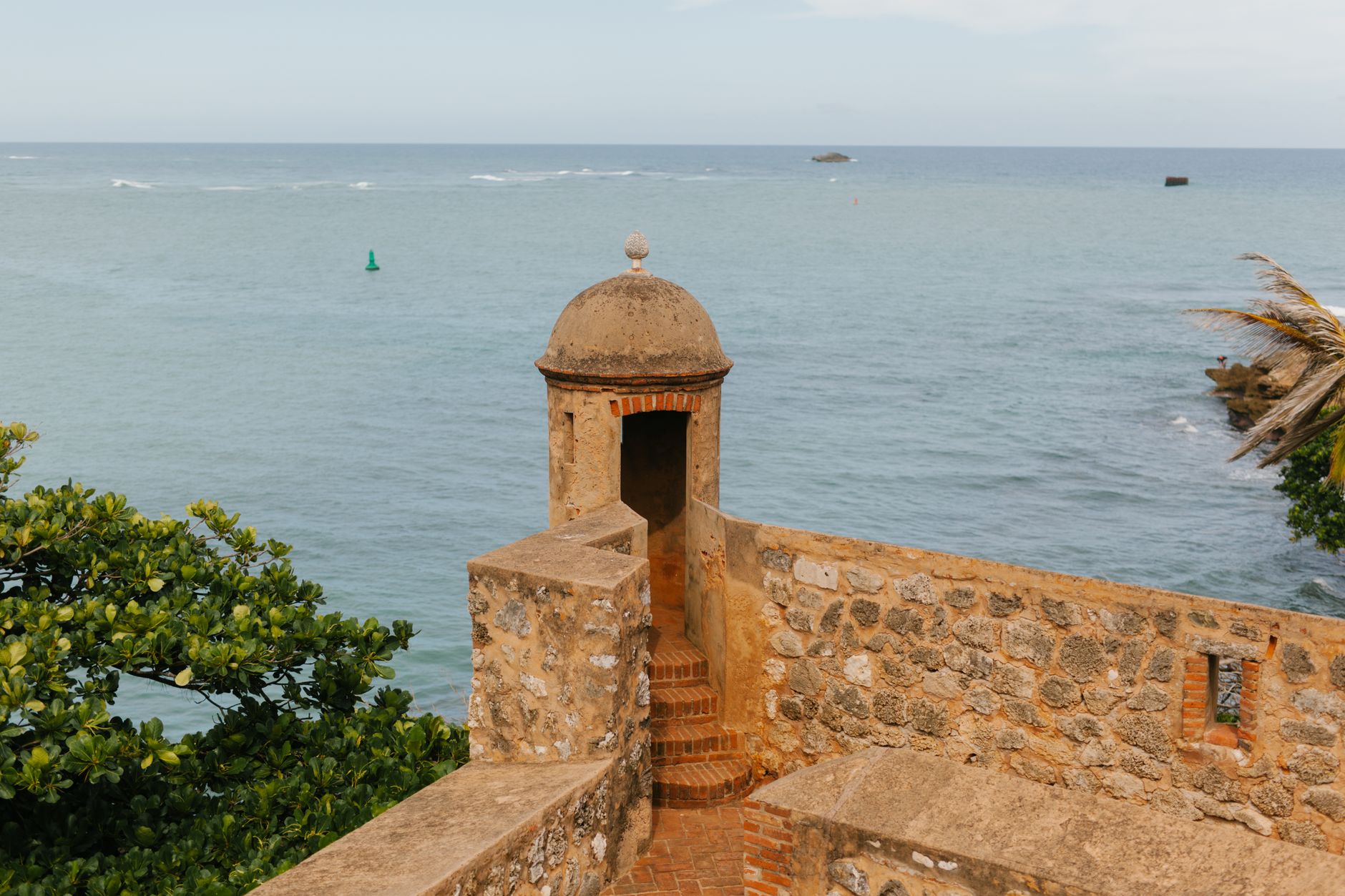
The Northern department of Haiti, often celebrated for its rich cultural and natural heritage, remains one of the most promising tourist destinations in the Caribbean. Located around the bay of Cap-Haïtien, this region is decorated with a multitude of historical treasures, such as the famous Citadelle Laferrière, listed as a UNESCO World Heritage site, paradisiacal beaches at Labadie, as well as colonial remains that transport visitors into history.
In 2025, these assets continue to fascinate; however, they suffer the direct backlash of the security deterioration observed in Port-au-Prince. Indeed, the rise of gang violence in the capital disrupts not only the daily life of Haitians but also impacts the national economy, where tourism plays a vital role. This sector remains an essential source of income for the region, as highlighted by several recent studies.
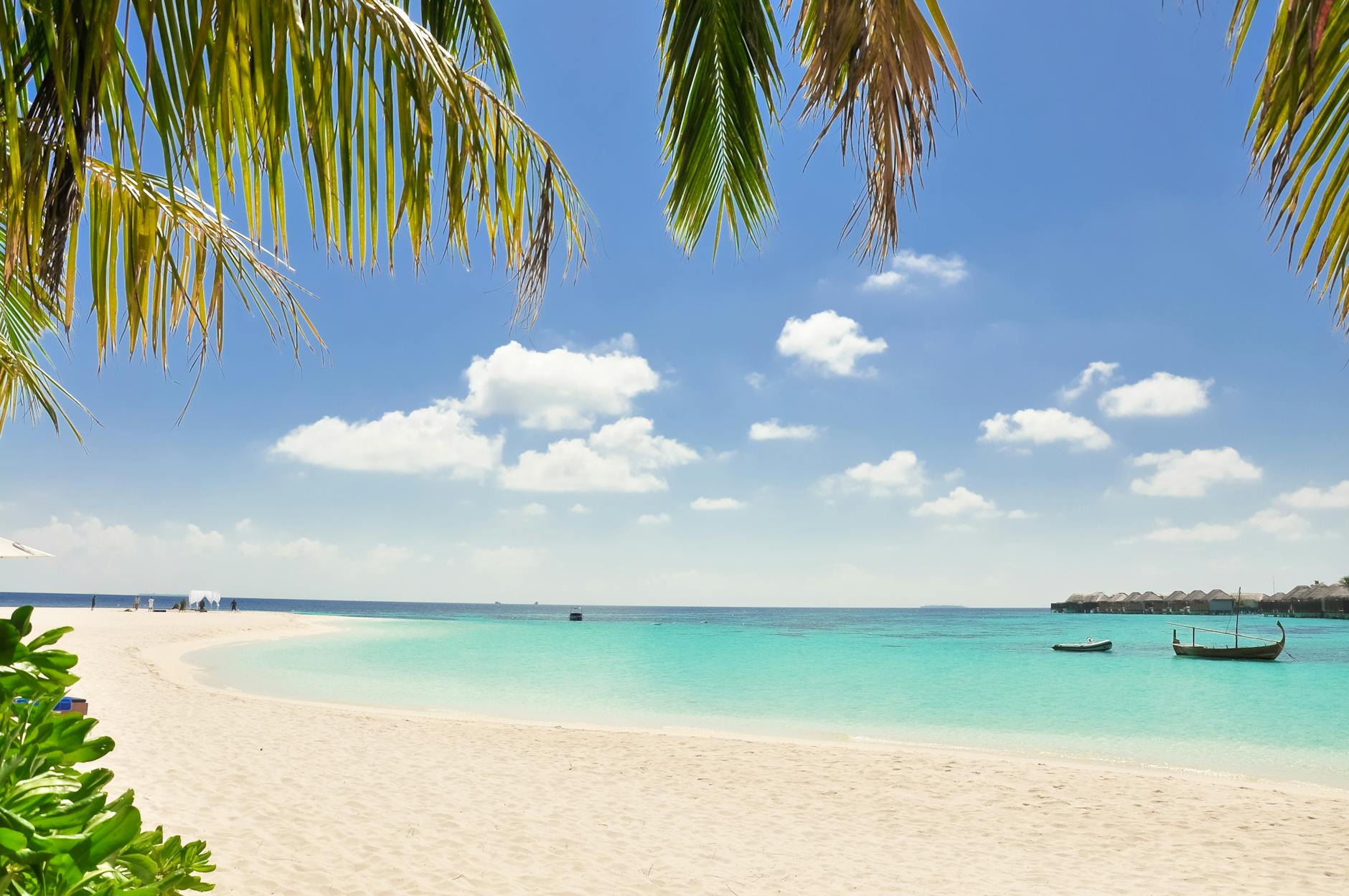
The Labadie tourist area, known for its boat excursions and idyllic beaches, concretely illustrates the tourism decline. According to Cassiani Orélis, a local partner in Labadie Excursions, the almost total absence of cruise passengers during the season deprived many families of an essential source of income. The temporary suspension of calls by Royal Caribbean International reinforces this phenomenon, affecting not only beach tourism but also ancillary activities such as local trade and crafts.
- Citadelle Prestige and the colonial forts that attract historians and cultural travelers.
- The renowned beaches of Tortuga Plages, combining relaxation and water activities.
- The artisanal wealth offered in typical markets, notably promoted by Nordic craftsmanship.
- Charming accommodations such as those offered by Roi Christophe Hotels and Sans-Souci Découverte.
| Tourist element 🌺 | Description | Impact of the crisis in Port-au-Prince 🚩 |
|---|---|---|
| Cap-Haïtien | Second main city, rich in remains and local gastronomy (Cap Gourmet). | Significant decrease in the number of international visitors and investments. |
| Labadie | Beaches and maritime excursions, base for beach tourism activities. | Drop in attendance, job losses in fishing and water transportation. |
| Citadelle Laferrière | Strong historical symbol and host of cultural festivals. | Reduction in entries, impact on local merchants and tour guides. |
| Nordic Craftsmanship | Traditional craft products, often aimed at tourists. | Lower demand and difficulties selling stock, affecting artisans’ income. |
Socio-economic impact of gang violence on the local tourism industry
For several years, the Haitian capital has become the scene of recurring violence, dominated by armed groups controlling major neighborhoods, imposing a climate of uncertainty weighing on the entire society. This instability is not limited to Port-au-Prince: it has a domino effect overwhelming regions like the North, much calmer but economically vulnerable.
Tourism, a pillar of the local economy in the North, severely feels these repercussions. Several agencies, such as Nord Caraïbes Voyages, report a drastic drop in bookings since the intensification of unrest. The deficit of international visitors compromises the revenues of hotels, restaurants, and excursions, as well as those working in indirect services, including transport and crafts. This situation is closely linked to the country’s perception on the world stage, where security remains a determining factor for tourists.
An illustration of this phenomenon is found in Cap-Haïtien, where the local economy strongly relies on tourism. Recent analyses show that violence amplifies the flight of foreign investments and limits ambitious tourism projects, such as hotel developments or the enhancement of heritage sites.
- Drastic reduction in cruise attendance in the Labadie area.
- Decline in revenues for local businesses like Roi Christophe Hotels and Cap Tourisme.
- Weakening of artisans dependent on the tourism market.
- Lower visibility and promotion of the territory internationally.
| Consequences 📉 | Details | Concrete examples |
|---|---|---|
| Decline of commercial activities | Drop in attendance in hotels and restaurants | Loss of more than 30% of turnover in 2024 |
| Loss of jobs | Reduction of tourism-related positions | Several guides and excursion staff unemployed |
| Withdrawal of investments | New project limitations due to risk | Stop of the construction of a hotel complex near Cap Gourmet |
| Weakening of tourism promotion | Fewer international marketing campaigns | Reduction of partnerships with agencies like Paradis du Nord |
Local initiatives to strengthen tourism in the face of security challenges
Despite many difficulties, the actors involved in the tourism development of Northern Haiti multiply efforts to preserve and enhance this unique heritage. Organizations and businesses such as Sans-Souci Découverte or Citadelle Prestige support innovative promotion and hospitality programs while strengthening security at tourist sites.
The efforts are not limited to securing but also focus on sustainable tourism involving local populations. The use of short supply chains for catering and local crafts, notably with Nordic Craftsmanship, promotes a solidarity economic recovery and creates authentic bonds between visitors and residents.
Furthermore, the diversification of the tourism offer is essential. Cap Gourmet, highlighting Haitian gastronomy, and Tortuga Plages, with its ecotourism activities, illustrate this dynamic well. These initiatives attract a more varied clientele looking for unique cultural and environmental experiences.
- Implementation of security patrols in tourist areas.
- Development of partnerships with international agencies to enhance visibility.
- Promotion of local artisans through shops and specialized fairs.
- Organization of cultural events to enhance heritage.
| Local initiative 🤝 | Objective | Benefits for the community |
|---|---|---|
| Paradis du Nord | Revalue the tourist image through international campaigns | Job creation, increased attractiveness of the North |
| Cap Tourisme | Develop cultural tours around Cap-Haïtien | Heritage enhancement and local engagement |
| Sans-Souci Découverte | Protect and promote historical sites | Heritage preservation, increased tourist flows |
The role of craftsmanship in restoring the attractiveness of Northern Haiti
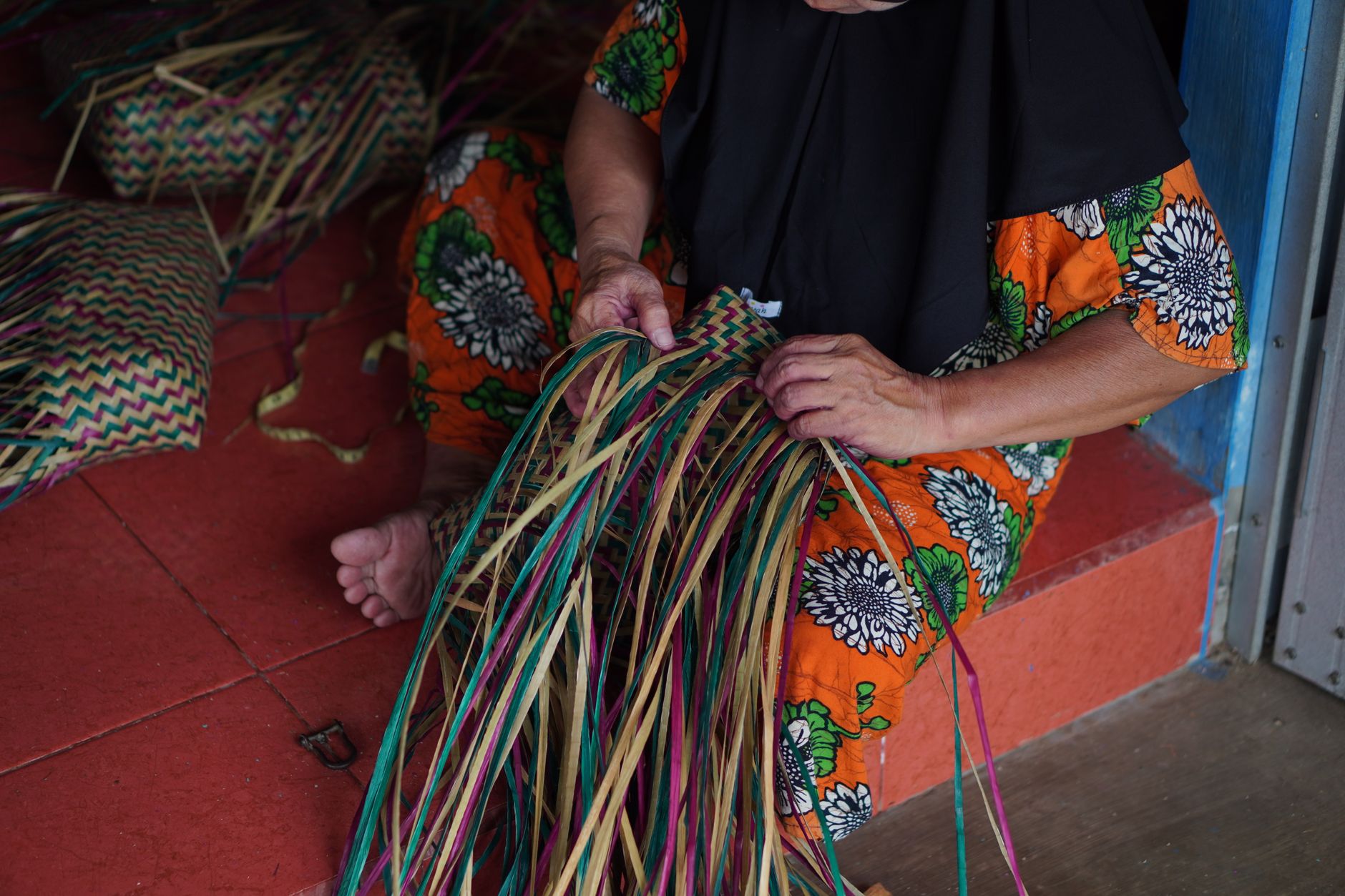
Traditional craftsmanship plays a pivotal role in the cultural identity of Northern Haiti and constitutes an essential bridge between visitors and local wealth. Products signed by Nordic Craftsmanship, found in markets and shops, are more than souvenirs: they convey ancestral know-how and a living history.
Facing the security crisis limiting tourist arrivals, artisans reinvent themselves by creating local networks and collaborating with travel agencies like Nord Caraïbes Voyages to offer itineraries combining workshop visits and landscape discovery. This reorientation creates new economic prospects while strengthening community pride.
Several programs, detailed here, encourage local production and promote the export of artisanal objects, thus opening outlets beyond borders. This dynamic not only helps preserve traditional trades but also raises awareness among a new generation about the challenges of sustainable tourism.
- Job creation and maintenance of ancestral skills.
- Strengthening links between artisans and tourists through participatory workshops.
- Expansion to international markets through strategic cooperations.
- Enhancement of natural materials and respect for the environment.
| Craftsmanship 🧵 | Type | Socio-economic impact |
|---|---|---|
| Carved wooden objects | Decoration and religious crafts | Supports tradition and develops sustainable income |
| Textiles and embroidery | Fashion and decorative objects | Encourages local economy and creativity |
| Recycled metal objects | Contemporary and utilitarian art | Reduces waste and stimulates local innovation |
| Traditional jewelry | Cultural accessories | Promotes short supply chains and local identity |
Perspectives and challenges for a stable and prosperous tourist future in Northern Haiti
In the context marked by national security challenges, Northern Haiti appears as a zone of hope for economic recovery and tourism reconquest. The territory concentrates natural, cultural, and human resources indispensable for sustainable development. However, it is crucial that security conditions improve so that these assets can fully flourish.
Local authorities, in cooperation with international partners, work on new strategies aimed at strengthening the resilience of the tourism sector. Improving infrastructure, training professionals, and diversifying offers, notably around thematic or ecological circuits, are priorities. Challenges also include promoting safety awareness to reassure visitors, a topic extensively discussed on several platforms.
This ambition can only be realized if lasting peace is established nationally, putting an end to the violence that decimates the social and economic fabric. In this sense, tourism’s role goes beyond mere economy; it embodies a fundamental cultural, identity, and social lever for the North and all of Haiti.
- Strengthen security and intersectoral cooperation.
- Modernize tourist and hospitality infrastructures.
- Promote eco-responsible and cultural tourism.
- Engage youth and local communities in the sector.
| Future objective 🎯 | Planned actions | Expected outcomes |
|---|---|---|
| Reinforced security | Police and community collaboration | Better international perception and increased tourist flows |
| Sustainable development | Green investments and training | Creation of green jobs and respect for the environment |
| Cultural promotion | Regular organization of local events | Tourist attractiveness and economic dynamism |
| Community inclusion | Youth programs and artisan support | Socio-economic stimulation and local pride |
Despite obstacles, Northern Haiti retains immense potential that should be exploited intelligently, combining heritage, security, and sustainable development. By this path, this region can become a flagship destination in the Caribbean once again.
What are the main tourist sites in Northern Haiti?
Citadelle Laferrière, the city of Cap-Haïtien, the beaches of Labadie and Tortuga Plages are among the most visited sites, known for their historical and natural richness.
How does the violence in Port-au-Prince affect tourism in the North?
The rise of gangs causes a bad image of the country, reducing the number of visitors and impacting the local economy, especially the direct and indirect jobs linked to tourism.
What local initiatives exist to revive tourism?
Organizations like Sans-Souci Découverte and Citadelle Prestige work for security and tourist promotion, while programs promote local craftsmanship and sustainable tourism.
What role does craftsmanship play in the tourist economy?
Craftsmanship is a cultural and economic pillar, allowing job creation, transmission of know-how, and attracting new visitors through dedicated tourist circuits.
What are the future outlooks for tourism in the North?
With better security, modernized infrastructures, and involvement of local communities, Northern Haiti has significant potential to become a major tourist destination.