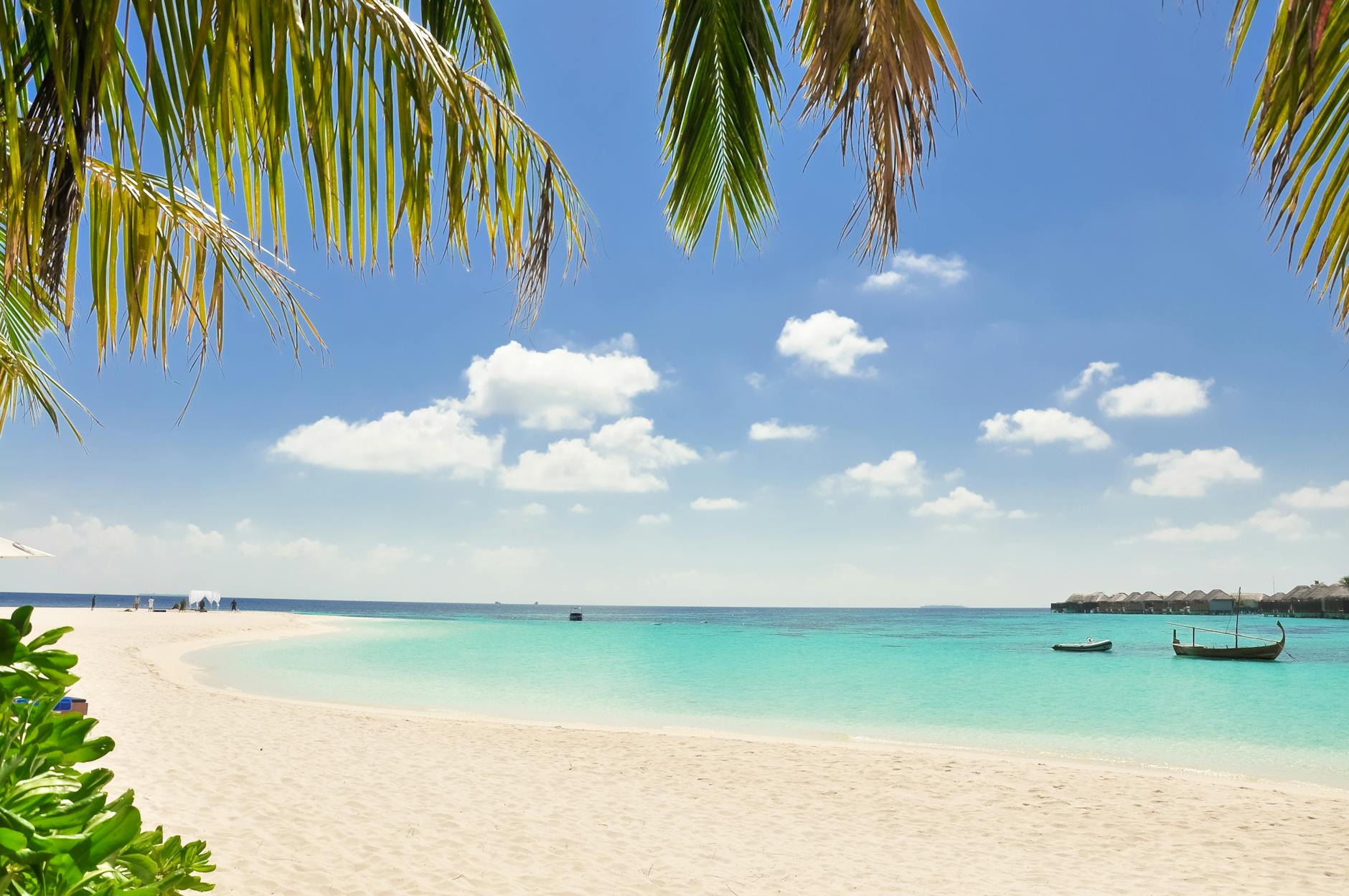
Dive into the enchanting world of French Polynesia, and prepare for an extraordinary human and cultural adventure. This true earthly paradise attracts a growing number of expatriates each year, eager to combine a gentle lifestyle with the discovery of an ancestral culture rich in traditions. Relocating to this region of the South Pacific is not something to improvise: it requires a deep understanding of the administrative, logistical, and social constraints specific to these scattered islands. At the heart of a local life marked by authentic customs and a soothing pace, knowing how to anticipate your settlement allows you to turn the Polynesian dream into a sustainably enriching reality.
In 2025, the expatriation phenomenon in French Polynesia continues to grow, driven by dynamic economic sectors such as tourism, health, and pearl craftsmanship. Expatriates enjoy a unique quality of life but must also cope with a higher cost of living than in mainland France and adapt to specific administrative procedures. From opening a local bank account to facilitate daily management, finding suitable housing, to validating one’s legal status with the authorities, every detail matters for a successful settlement.
Discovering the guide here to navigate well and seize all local opportunities is a valuable asset. In this article, practical advice and lived experiences are intertwined to offer a comprehensive view, far from the clichés too often associated with Polynesia. Whether it is to anticipate your intercontinental move, understand the administrative formalities to benefit from local health coverage, or identify job opportunities suited to varied profiles, this detailed insight accompanies you step by step in this wonderful expatriation adventure.
Understanding Polynesian administrative formalities for a peaceful expatriation
When considering settling in French Polynesia, one of the first steps to master concerns the specific administrative procedures of the territory. The peculiarity of Polynesia, although attached to the French Republic, lies in its relative autonomy, notably in terms of immigration and health. For expatriates, this dual reality translates into a particular legal framework that must be absolutely known to avoid disappointments.
French nationals benefit from facilitated entry: no visa is required to settle. However, it is imperative to register with the Caisse de Prévoyance Sociale (CPS), an essential step to access local health coverage. Maya, a European graphic designer expatriate, testifies that this registration is the key to avoiding exorbitant medical fees, as local hospitals apply specific rates depending on this status. In parallel, everyone must justify a local address. This criterion is crucial not only for administrative registration but also to be able to open a Polynesian bank account.
Procedures according to entry statuses
- Tourist stay without visa: reserved for citizens of countries with bilateral agreements, this status authorizes a short stay but prohibits work and does not allow permanent settlement.
- Entry with employment contract: a sine qua non condition for sustainable settlement. The employer must obtain an agreement validated by the Immigration Service, and the employee present the required supporting documents.
- Permanent residence: official and complex application requiring a detailed file proving resources, housing, and cultural integration.
This table summarizes these distinctions:
| Profile | Visa Required | Key Formalities |
|---|---|---|
| French citizens | No | Identity proof, CPS registration, domicile |
| Tourists (authorized countries) | No (short stay) | Valid passport, return ticket, proof of accommodation |
| Workers with local contract | Yes | Employment contract, Immigration Service approval |
| Permanent residents | Yes | Proof of resources, housing, integration |
It is strongly recommended to begin these formalities well before arrival or immediately upon arrival. Joining expatriate support groups on social networks and discovering the guide here can prove to be a precious aid to follow administrative developments and receive up-to-date advice.
Organizing your move to Polynesia: tips to manage budget and logistics
Moving to French Polynesia requires well-thought-out logistics, both to limit costs and to avoid the stress inherent in such a long-distance move. The good news is that a few tips are remarkably effective in balancing a controlled budget and optimal preparation.
Taking Maya as an example is enlightening: she chose to prioritize essentials in her luggage by sending her clothes and personal belongings by plane via Air Tahiti Nui, while buying heavy furniture locally. This strategy allowed her to reduce fees related to sea freight, which average around €500 per cubic meter. Also, booking her flight several months in advance, outside tourist season, is essential to benefit from fares ranging between €900 and €1,300.
Planning and transport
- Air Tahiti Nui flights: book early and avoid peak tourist periods.
- Sea freight: favor consolidated shipping and anticipate with a minimal volume.
- Moving insurance: essential to cover climatic risks specific to the Pacific trade winds.
From a housing standpoint upon arrival, it is recommended to arrange temporary accommodation via Airbnb or hotels to get a sense of the place and calmly visit permanent housing through specialized agencies like OPTIM’UP Relocation. Choosing a central neighborhood facilitates the first steps in local life and avoids the complicated logistics of moving to an isolated area.
| Expense item | Estimated cost (€) | Practical advice |
|---|---|---|
| Plane ticket (Air Tahiti Nui) | 900 – 1,300 | Book outside tourist season |
| Sea freight | ~500/m³ | Consolidate shipments and reduce volume |
| Temporary accommodation | Variable | Choose an accessible neighborhood and negotiate length of stay |
Priority formalities to complete once arrived in French Polynesia
Settling on site requires some priority formalities essential for full integration into local life and securing daily life. Among these, registration with the Caisse de Prévoyance Sociale (CPS) is the essential foundation that guarantees access to medical care at a controlled cost. Maya emphasizes that this point was crucial during her first health emergencies and that the local complementary health insurance wisely complements this coverage to handle frequent additional fees.
Opening a local bank account greatly facilitates daily financial management. Although not mandatory, this procedure is often essential since some employers require a Polynesian account for salary payments and it enables setting up automatic payments for electricity, telephone, and internet bills.
Why open a bank account in Polynesia?
- Simplified salary management: local payment and easier monitoring.
- Automation of direct debits for subscriptions (electricity with EDT, telecom with OPT or FenuaBox).
- Reduced deposits for mobile or internet contracts.
The main local banks in Polynesia are Société Générale Polynésie, Banque de Polynésie, Marara Paiement, Niu Pay, and Banque de Tahiti. However, in the absence of professional activity, only the first three accept account openings. Required documents include a passport, proof of residence, and if possible, documents related to professional activity.
| Service | Provider | Key function |
|---|---|---|
| Health | CPS | Mandatory health coverage and social benefits |
| Bank | Société Générale Polynésie, Banque de Polynésie… | Salary management, direct debits, deposits |
| Electricity | EDT | Residential contracts and supply |
| Telecommunications | OPT, FenuaBox | Internet, fixed and mobile phone |
Developing your professional life in Polynesia: key sectors and cultural integration
The success of an expatriation also depends on successful professional integration into the local economic fabric. French Polynesia offers opportunities in dynamic sectors, notably tourism, health, education, and pearl farming.
The tourism sector, a major economic driver, offers positions in hotels, tourist guides, and water activities. Maya started in a hotel in Moorea, where she built a solid network by participating in the Heiva, an annual cultural festival. This kind of immersion at the heart of Polynesian culture facilitates professional and social integration.
Growing sectors and application tips
- Tourism: apply directly in hotels, agencies, or as a local guide.
- Health: diploma recognition required, contact clinics and medical centers.
- Education: The International School of Tahiti recruits bilingual teachers, a lever for expatriate families.
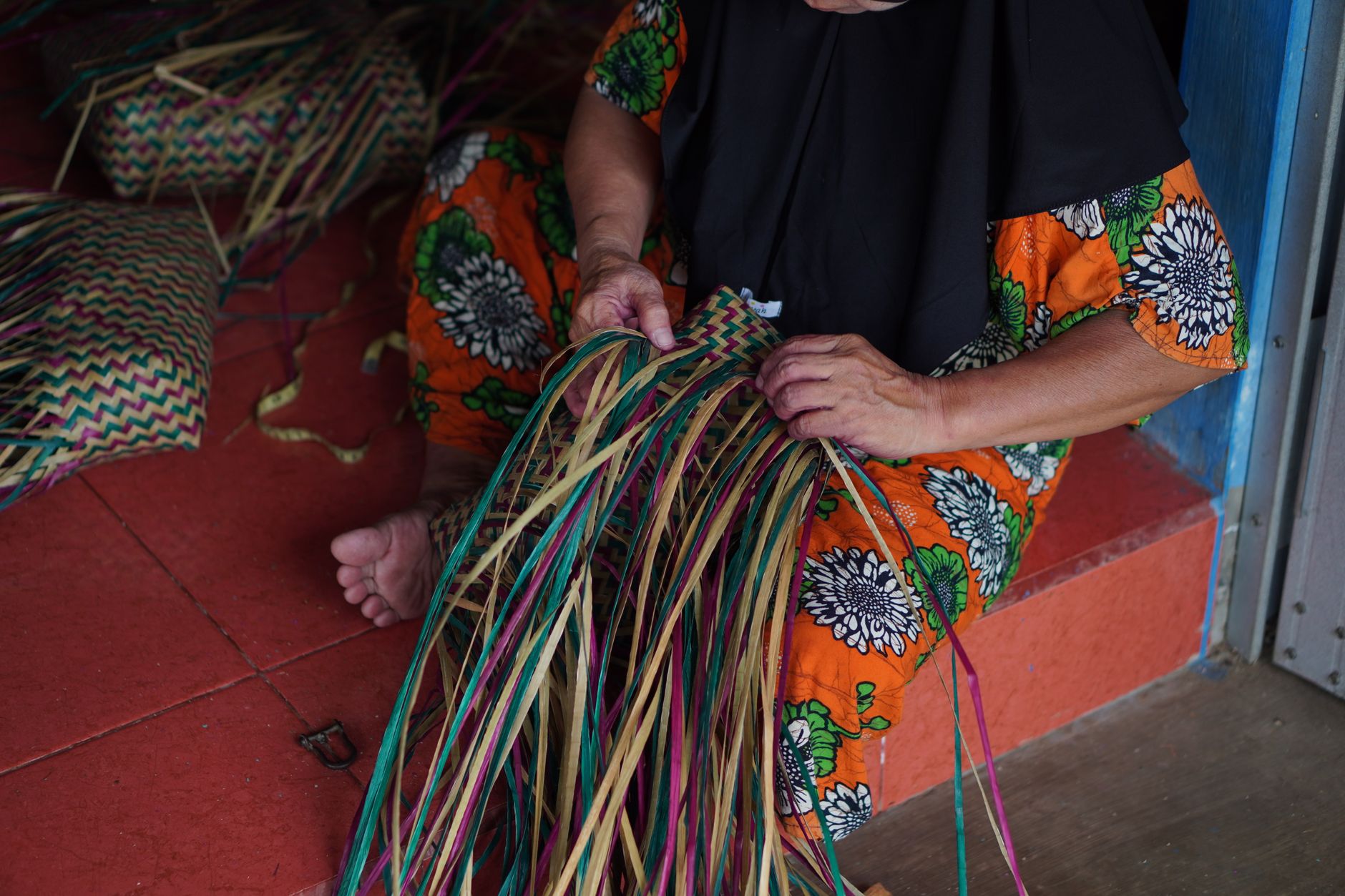
- Pearl farming and crafts: engage in networks to contribute to this emblematic sector with strong cultural significance.
Building relationships based on respect for customs and sincere curiosity about local traditions is essential to forge lasting ties. Even basic mastery of greetings and expressions in Tahitian is viewed positively.
| Sector | Opportunities | Practical advice |
|---|---|---|
| Tourism | Hotels, guides, water activities | Network, apply locally |
| Health | Medical and paramedical staff | Have your diplomas recognized, contact institutions |
| Education | Bilingual teaching | Apply at the International School of Tahiti |
| Pearl farming | Production, crafts | Participate in networks and local events |
Daily life in French Polynesia: housing tips, budget, and cultural adaptation
Living in Polynesia means combining the charm of an exceptional setting with local economic realities. The cost of living is generally higher than in mainland France, which requires rigorous budget management and reflection on the type of housing suited to one’s needs.
Rents in Tahiti vary widely: a three-room apartment costs between €1,500 and €2,200, while a family house can reach €4,500. Local markets, especially in Papeete, offer an economical alternative to supermarkets, with a wealth of fresh and seasonal products that delight both the palate and the wallet. Transportation, thanks to the Terevau bus network, is affordable and convenient for getting around without constraints.
Tips for balanced daily life
- Housing: try temporary accommodation (Airbnb) before committing to a long-term lease.
- Food: favor local markets for fresh products at lower cost.
- Transportation: subscribe to a monthly pass on the Terevau network to optimize travel.
- Internet and telephony: choose OPT plans adapted to your needs to benefit from the best coverage.
- Outings and dining: discover the roulottes to taste local cuisine without breaking the budget.
| Expense | Indicative amount (€) | Tip |
|---|---|---|
| Three-room rent in Tahiti | 1,500 – 2,200 | Negotiate long-term lease |
| Groceries | 250 – 350 | Local markets and seasonal products |
| Restaurant meals | ~35 | Roulottes and small local snacks |
| Transport (Terevau bus) | Variable | Subscribe to monthly pass |
Is a visa required to settle in French Polynesia?
For French citizens, no visa is required. For other nationalities, a tourist stay without a visa is possible under conditions, but an official authorization is required for long-term residence.
What are the approximate costs to move to Polynesia?
You should plan between €900 and €1,300 for an Air Tahiti Nui plane ticket and about €500 per cubic meter for sea freight, plus temporary accommodation and insurance.
What administrative formalities are priority upon arrival?
Registration with the Social Insurance Fund of French Polynesia (CPS), opening a local bank account, and subscribing to complementary health insurance are essential steps to be completed quickly.
Which employment sectors are hiring in Polynesia?
Tourism, health, education, and pearl farming are growing sectors offering many opportunities, especially for bilingual and qualified profiles.
How to optimize your budget to live in Tahiti?
Favor local markets, use Terevau transportation, choose OPT plans for telephony and internet, and try temporary housing before a long lease to limit expenses.